Our History
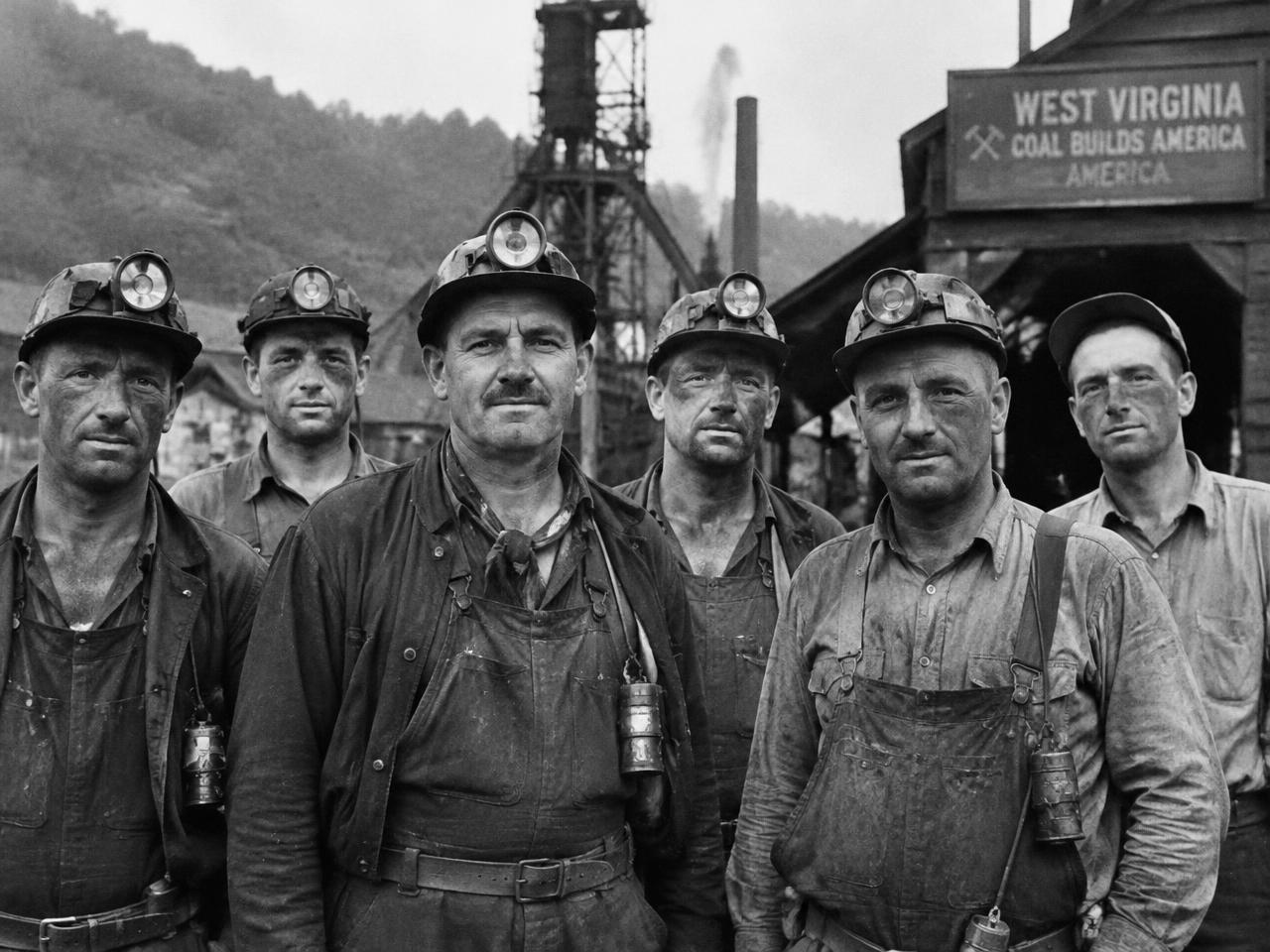
“WE SEEK THE FULFILLMENT OF THESE HOPES AND ASPIRATIONS THROUGH DEMOCRATIC PROCESSES WITHIN THE FRAMEWORK OF OUR CONSTITUTIONAL GOVERNMENT.”
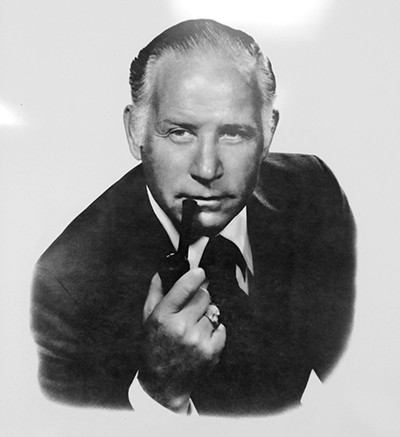
FOUNDING PRESIDENT & ARCHITECT OF MOUNTAIN STATE LABOR
MILES CLARK STANLEY
Born in Dunbar, West Virginia, Miles Stanley began his working life as a machinist and served with distinction in the U.S. Army artillery during World War II. Returning home, he worked in a Kanawha Valley steel plant and was elected president of his local union at just 23 years old.
When 293 AFL delegates and 162 CIO delegates convened in Huntington on November 22, 1957 to merge the two historic factions, they chose Stanley as their inaugural leader. Under his 17-year tenure until his sudden passing in 1974, West Virginia's AFL-CIO transformed from a divided body into the most respected and unified labor force in state history.
Pioneered the biweekly direct-to-door newspaper, making WV one of the first state federations to communicate directly with every union household.
Founded the multi-state AFL-CIO Appalachian Council, directing job corps training, rural literacy, and poverty alleviation programs across Appalachia.
Served as a close counselor to the U.S. Commission on Civil Rights and ensured racial integration within all affiliated labor local operations.
Constructed the historic federation headquarters in Charleston, dedicated permanently as the Miles Stanley Building in his memory.
“A labor federation cannot measure its success solely in contracts won, but in the dignity of our communities, the security of our retirements, and the equality granted to every working man and woman across these mountains.”
— Miles C. Stanley, Opening Address, Constitutional Convention
Milestones
Built by workers
-
1957
A federation is born
293 AFL and 162 CIO delegates meet in Huntington on November 22 and elect Miles Clark Stanley as first president, Benjamin Skeen as secretary-treasurer.
-
1960s
Reaching every member
The Federation becomes one of the first state bodies to mail an official publication, later the WV AFL-CIO Observer, to its full membership.
-
1970s
Political power
A survey of legislators names the Federation the single most powerful influence in the state, thanks to COPE's voter registration and endorsement work.
-
1979
Union Women's Concerns
The 12th Constitutional Convention forms a committee devoted to the concerns and education of working women.
-
Today
Nearly 80,000 strong
Arm in arm, union brothers and sisters march together for a better future for all the people of West Virginia.
Executive Roll
Historical Officers (1957 – Present)
| Office | Name | Tenure |
|---|---|---|
| President | Miles C. Stanley* | November 22, 1957 to May 3, 1974 |
| President | Joseph W. Powell | May 7, 1974 to October 31, 1997 |
| President | Jim Bowen | November 1, 1997 to August 15, 2004 |
| President | Kenneth M. Perdue | August 16, 2004 to December 13, 2016 |
| President | Joshua D. Sword | December 14, 2016 - Present |
| Secretary-Treasurer | Benjamin Skeen | November 22, 1957 to October 23, 1963 |
| Secretary-Treasurer | Glen Armstrong* | October 24, 1963 to May 23, 1972 |
| Secretary-Treasurer | James T. Nelson* | May 26, 1972 to March 5, 1973 |
| Secretary-Treasurer | Lawrence Barker, Sr. | March 5, 1973 to October 7, 1977 |
| Secretary-Treasurer | Jack R. McComas | October 7, 1977 to April 30, 1997 |
| Secretary-Treasurer | Kenneth M. Perdue | May 1, 1997 to August 15, 2004 |
| Secretary-Treasurer | Larry K. Matheney | August 16, 2004 to December 31, 2012 |
| Secretary-Treasurer | Joshua D. Sword | January 2, 2013 to December 13, 2016 |
| Secretary-Treasurer | Joe Carter | December 14, 2016 to October 12, 2017 |
| Secretary-Treasurer | Andrew P. Walters | October 13, 2017 to Present |
